- Key Takeaways
- Value of regional quarries
- Choosing local natural stone
- Common local stone varieties
- Selection criteria for projects
- The microclimate advantage
- Choose stones that perform well in your region’s specific temperature and humidity
- Benefit from reduced risk of cracking, spalling, or weather-related damage
- Enhance longevity by selecting materials adapted to local environmental conditions
- Improve safety with stones offering appropriate slip resistance for your climate
- Maintenance and long-term care
- Conclusion
- Frequently Asked Questions
- What are the main benefits of choosing local natural stone?
- How do I verify the quality of a regional quarry?
- Which local stone types are best for exterior use?
- How does microclimate affect stone choice?
- What selection criteria should I use for a specific project?
- How should I maintain local natural stone to extend its life?
- Can using local stone improve project sustainability credentials?
Key Takeaways
- Opt for local natural stone. BENEFITS include helping local economies, reducing transport emissions and costs, providing regional color variations, and ensuring quality control. Select local natural stone and touch base with regional suppliers early to lock in availability and lead times.
- First, select local stone well tested for your climate. This minimizes both lifecycle energy consumption and vulnerabilities to weather damage by choosing materials with the appropriate thermal mass, moisture resistance, and freeze-thaw durability.
- Match stone type and thickness to structural and design needs by examining full slabs in person to confirm porosity and maintenance requirements. Choose denser or thicker pieces for load-bearing or high-traffic zones.
- Check provenance and ethical quarry by asking for traceability, extraction methods, and environmental documentation to facilitate permitting and regulatory compliance.
- To balance aesthetics, performance, and budget, compare local varieties such as granite, limestone, sandstone, and slate for color, texture, porosity, and ideal uses. Factor in long-term maintenance like sealing and gentle cleaners.
- Simplify project logistics and resilience by working with local yards and fabricators for quicker delivery, more convenient site visits, and less risk of global shipping holdups. This boosts the likelihood that materials arrive as planned.
With local natural stone, you’re choosing rock that’s been quarried locally, near your project, for floors, walls or counters. Local stone is often compatible with the local climate and soil and reduces transportation time and expenses.
It benefits local businesses as well and can provide a distinct color and texture connected to location. Pragmatic considerations include hardness, porosity, finish options, and maintenance requirements.
Below we compare common types, costs and care tips.
Value of regional quarries
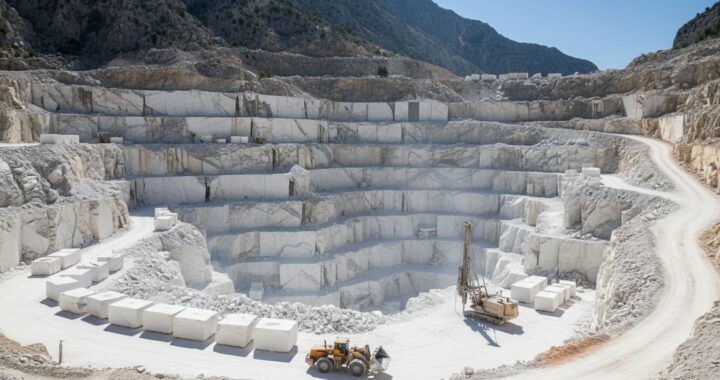
There are concrete, tangible advantages to selecting stone from regional quarries. Local sources frequently provide more reliable quality, stones that have endured the same climate for thousands of years, and geological expertise that enables one to pinpoint materials of just the right strength, porosity, and coloration for a given site.
Supply chain resilience
Dependence on regional quarries reduces lead times. Things go quicker when the materials come in on schedule. There’s no danger of schedule slips from long overseas transit or customs delays.
Regional quarries can usually ship in days or weeks, not months, so contractors and trades stay on schedule. Local sourcing reduces risk of exposure to global shocks. Import restrictions, port strikes, or sudden freight cost spikes impact remote supply lines more than regional ones.
When demand spikes, regional quarries tend to take care of local projects first and can keep inventory to even out peaks, offering more consistent availability of the specific slabs, blocks, or cut sizes required. Quarries that regularly work with local builders are more likely to provide superior communication and more prompt problem solving.
That improves quality control. Mismatched batches or unexpected color shifts are less likely when the supplier can inspect, sort, and deliver within short travel times.
Cultural continuity
Value of local quarries – use stones connected with local history to maintain both visual and material connections with location. Maintain restoration projects true to original builds by matching historic quarry sources.
Support local craftsmen who understand time-honored stone finishes and construction. Keep regional flavor in your new design by selecting native textures and colors. Some of the value of regional quarries is evident in their ability to match an old facade.
You need stone with the exact same grain, mineral mix and weathering patterns, something your local or regional quarries know best. Their use supports local craft traditions and gives communities a way to maintain a cohesive built identity.
Regulatory compliance
Regionally sourced stone expedites code and permit reviews. Local building officials know quarry sources and their track record, which expedites approval. For standards related to durability, fire resistance or thermal properties, traceable locally quarried stone simplifies documentation.
Environmental compliance is more straightforward when the quarry is operating under the same jurisdiction as the project. Permits, reclamation plans, and water or dust controls are simpler to confirm.
Quarries that rely on a local community have more reasons to be sustainable, from shorter haul distances to aggressive reclamation of pits.
Choosing local natural stone
Choosing local natural stone reduces transport energy and supports nearby quarries. It provides unique aesthetic and functional advantages. Here it is broken down into practical factors, then lifecycle energy, climate fit, regional look, quarry transparency, and project logistics.
Factors to consider when choosing local natural stone:
- Quarry to site distance should be under 800 kilometers where possible.
- Stone type: granite, limestone, marble, slate, sandstone, travertine
- Color range and veining consistency across slabs
- Surface finish options: honed, polished, flamed, brushed
- Porosity and absorption rates for wet areas
- Freeze-thaw and salt resistance for exteriors
- Intended application: countertop, flooring, paving, wall cladding
- Maintenance needs: sealing frequency, cleaning methods
- Local regulations and quarry remediation plans
- Cost of fabrication and local labor availability
1. Lifecycle energy reduction
Local sourcing shaves transport emissions significantly, particularly when quarries are located within about 500 to 800 kilometers of a project. Select stones that require little cutting or surface work as stones sold in full slabs or rough blocks decrease the processing energy.
Durable materials reduce replacement energy. Lots of granites and dense limestones are good for 50 to 100 years with regular maintenance. Consider thermal mass: dense stone in building envelopes can reduce heating and cooling loads, offering measurable energy savings over a building’s life.
2. Indigenous climate resilience
Selecting local natural stone in freeze-thaw regions, low-porosity stones like dense granite or some sandstones resist spalling. In coastal sites, low salt absorption and UV stable stones have proven to not break down quickly on the surface.
Ask vendors for local track records or season-exposed sample panels. Native stones tend to age in a predictable fashion and fail with a nice patina as opposed to structural failure.
3. Authentic regional aesthetics
Local stone has its own color tones, veining and grain that mirror your region’s geology and landscape. Select local stone in order to connect a structure to its location—warm buff sandstones in desert regions, green-hued schists in alpine regions or soft gray limestones in humid regions.
This selection can boost curb appeal and market value while complementing both contemporary and classic styles. Samples and mock-ups help you coordinate with paint, metal and wood finishes.
4. Native quarry transparency
Work direct with quarries to verify origin, extraction and rehab plans. Ask for chain-of-custody paperwork and environmental impact statements.
Transparent suppliers give reliable quality and allow you to track slabs back to particular benches or faces which helps with matching and authenticity.
5. Simplified project logistics
Selecting local natural stone means the shorter distances make slab inspections and site checks far easier. Local fabricators often have a quicker response time when issues do occur.
Easy availability of materials can compress schedules and minimize storage on site.
Common local stone varieties
Local stone options vary and have a few defining characteristics in common that influence their aesthetics, price, and application. Here’s a numbered list of common types, then some comparative notes and an easy table to help decide.
Granite
-
Granite: Dense, hard, and highly scratch and heat resistant. A good many local quarries provide slabs with intense veining and a broad spectrum of colors from deep blacks to flecked whites and blues.
-
Colors and texture: Fine to coarse grain. Polished or honed finishes change the look and slip properties. Local granite often echoes other regional igneous stones in the color spectrum.
-
Best uses: Kitchen countertops, bar tops, exterior cladding, and high-traffic floors. Popular local stones are great to use where toughness counts and upkeep should be minimal.
-
Maintenance: Very low porosity means limited sealing needs. Routine cleaning with mild soap is usually enough. Soapstone is another countertop alternative stone valued for a softer, classic aesthetic and heat resistance.
Limestone
-
Limestone: Soft, earthy tones make it common for residential exteriors and formal interiors. West Texas Lueders limestone provides greys and tans that extend options beyond the usual warm beiges.
-
Texture and aging: Typically fine-grained and develops a patina with time. Austin limestone is softer with a tendency to stain or discolor. Other Texas limestones have a better resistance to discoloring.
-
Uses and care: Good for flooring, fireplace surrounds, and exterior walls. Moderate porosity means regular sealing to limit staining.
-
Visual fit: Prefers classic, muted palettes and blends well into landscapes where a calm backdrop is desired.
Sandstone
-
Sandstone: Warm, rustic colors and natural grain patterns. Moss rock for landscaping has that same rustic charm and is inexpensive for borders and garden highlights.
-
Durability: Moderate. It is easier to cut and shape than granite, but it is more porous. It needs to be sealed properly or else it will stain.
-
Uses: Outdoor patios, walkways, and low walls. Good slip resistance for wet areas.
-
Fabrication: Straightforward to work with, local varieties like Oklahoma stone are durable enough for garden walls and cleanly stacked walls.
Slate
-
Slate: Natural cleft texture with rich earth tones. Color varies from deep charcoal to greenish according to the deposit.
-
Water and weather: Strong resistance to water and weathering, which suits harsh climates and outdoor use.
-
Uses: Bathroom and kitchen floors, outdoor steps, and terraces where slip resistance and a layered look are desired.
-
Aesthetic and performance: Offers an organic, textured finish while holding up well over time.
|
Stone type |
Key features |
Ideal uses |
|---|---|---|
|
Granite |
Hard, low porosity, varied colors |
Countertops, high-traffic floors |
|
Limestone |
Earthy tones, moderate porosity |
Exteriors, fireplaces, floors |
|
Sandstone |
Rustic grain, slip resistant |
Patios, walkways, garden walls |
|
Slate |
Cleft texture, weather resistant |
Bathrooms, outdoor steps, terraces |
Selection criteria for projects
Selecting natural stone locally starts with definite standards linking form to purpose. Think about how the stone will hold, how it appears in natural lighting, and how fast you can procure and install it. Align stone type, finish, and thickness to the application with supply windows and budget in mind.
Assess structural load
Determine the load requirements for floor, wall or countertop installations. For instance, an appliance kitchen island or freestanding stair tread demands thicker, denser slabs than a vanity top. Choose thicker or denser slabs for more demanding sections of the project.
Granite and quartzite stand up to heavy loads better than softer stones. Don’t go with softer stones like marble on high wear applications. Marble scratches and etches more easily, so it’s bad for a busy kitchen counter.
Ensure proper support and installation methods for large or heavy stone pieces. Engineered substructures, steel framing, or reinforced plywood can prevent sagging and cracking. Keep in mind that a material that ages beautifully on one project may not be appropriate on another. Adjust thickness and backing to each specific application.
Test porosity levels
|
Stone type |
Porosity |
Maintenance needs |
|---|---|---|
|
Granite |
Low |
Occasional sealing, low stain risk |
|
Quartzite |
Low |
Minimal sealing, high durability |
|
Limestone |
Medium-High |
Frequent sealing, avoid acids |
|
Marble |
Medium-High |
Regular sealing, susceptible to etch |
|
Sandstone |
High |
Regular sealing, more prone to staining |
Select less porous stones for kitchens, bathrooms and outdoor use to minimize staining and freeze-thaw damage. Know that high-porosity stones need to be sealed regularly to avoid stains.
This should be done once every 6 months to yearly, depending on use. Refer to this table of porosity and maintenance for different types of stone when narrowing your options.
Inspect raw slabs
Look at full slabs in person to confirm color variation and natural variation. Due to the nature of natural stone – its veins, patterns and color tones – no two pieces are ever identical.
View full slabs to make sure the pattern flow fits your design. Seek out cracks, fissures, or imperfections that could impact functionality or aesthetics. Vehicles can differ wildly from one batch to the next, so examine every shipment.
Choose your slabs based on vein and pattern that suit your design tastes and ask for samples or photos in varying lighting to validate your selection. Typically, this means scheduling to see certain slabs, approving and reserving them.
Account for supplier hold times, which range from 5 to 21 days, and coordinate decisions with lead times and budget.
The microclimate advantage
By choosing local natural stone, you’re actually choosing materials that already fit the microclimate where they will sit. The microclimate advantage means that a material can help keep the temperature and humidity in a certain place more comfortable and stable. Stones that play with the local sun, wind, and moisture patterns alleviate stress on the buildings and on heating and cooling systems.
Choose stones that perform well in your region’s specific temperature and humidity
Stone type to local range of heat and moisture. In dry or hot climates, dense stones such as basalt or some granites have low porosity and repel water, allowing them to remain cool underfoot and wash away dust and sand. In temperate, wet areas, more porous limestones and sandstones might require sealing or thicker cuts to prevent freeze-thaw damage.
Check local humidity and winter lows, then select stone with proven performance at those conditions. Request freeze-thaw ratings, water absorption rates, and local case studies from vendors.
Benefit from reduced risk of cracking, spalling, or weather-related damage
When stone fits its microclimate, it defies the usual breakdowns. Low porosity stones don’t suck up water so fast that it spalls in freeze cycles. Stones that ‘breathe’ in response to local temperature fluctuations are less prone to fracture.
If you are in any doubt regarding this, query the paint store or decorator in your area and ask for a recommendation. Ask for lab data or local examples demonstrating long term performance and account for typical temperature swings and salt exposure when designing joints and anchoring methods.
Enhance longevity by selecting materials adapted to local environmental conditions
The microclimate advantage increases service life by using local or regionally proven stone. Thermal mass helps: stone soaks up heat by day and releases it at night, lowering indoor temperature swings and easing mechanical loads on HVAC systems.
This in turn reduces wear on the building and the stone installations. For patios and terraces, go for an aging finish and cleaving method that holds up beautifully under your local rain and sun — not a high-maintenance look.
Improve safety with stones offering appropriate slip resistance for your climate
Surface texture tangles with moisture to construct anti-slip turf. Honed or textured finishes have higher slip-resistance ratings in humid or rainy climates. In hot, dry areas, flatter stones that retain coolness may be acceptable.
Factor in dust and sand accumulation. Test samples wet and dry and look at anti-slip treatments that correspond with the stone’s porosity. Safe design encompasses slope, drainage, and joint layout to prevent water from pooling.
Maintenance and long-term care
Natural stone requires a transparent maintenance and care schedule to maintain its aesthetic and worth. Know the stone type and its geology first: marble and limestone are carbonate stones and react to acids; granite and basalt are silicate-rich and more stain resistant; slate and schist vary by layering and hardness. That background informs you about how often to seal, what cleaners to use, and how to address spills or scratches.
Checklist with descriptions for different stone types:
- Daily and weekly cleaning: Use a soft mop or cloth and a neutral, liquid cleaner suited for stone. For light soiling, a couple of drops of neutral stone cleaner in water does the trick. For more stubborn grime, lightly apply a mild household detergent and rinse well. Stay away from scratchy pads.
- Spill response: Blot spills immediately with a soft cloth. Acidic foods and drinks like citrus, wine, vinegar, and tomato will etch carbonate stones five times faster, so blot without rubbing to contain the damage.
- Sealing schedule: Apply penetrating sealers as recommended by the stone supplier or installer. Granite should be sealed about every 1 to 3 years and marble and softer stones may require even more frequent check-ups. Test by dropping water on the surface. If it absorbs within a minute, reseal.
- Stain removal: Use poultices for deep stains and follow product guidance. For surface soap scum, apply a non-acidic soap scum remover or a dilute ammonia and water solution. Rinse thoroughly afterwards.
- Scratch care: Minor surface scratches can be buffed with dry 0000 steel wool, using light pressure and following the grain or finish direction. For bigger issues, see a professional stone restorer.
- Protective measures: Place mats or area rugs at entrances and under furniture to reduce sand, dirt, and grit that cause abrasion. Put felt pads under chair legs and do not drag heavy stuff.
- Regular inspections: Schedule checks every 6 to 12 months to look for wear, chips, grout failure, or water penetration. Fix little problems pronto; it’s cheaper than waiting for a major repair.
What to avoid and what helps:
- Avoid harsh chemicals and acids. Do not use vinegar, lemon, bleach full-strength, or common acidic cleaners on carbonate stones. They etch the surface. For safe bleaching or deep disinfecting, use diluted solutions of bleach or hydrogen peroxide per manufacturer instructions. Rinse well and test in an inconspicuous spot.
- Safe cleaning agents include gentle liquid cleansers, ammonia and water mixes for soap scum, and mineral spirits or acetone for certain stubborn residues. These should be applied carefully and tested first.
- Long-term tip: Keep records of sealing dates, products used, and any repairs. This is useful in comparing local stone varieties and their actual maintenance.
Conclusion
Local natural stone offers distinct advantages for design and build projects. It stands up well to our local weather. It is compatible with surrounding materials and cheaper to ship. Stone selection is based on color, strength, porosity, and slip grip. Try a sample in the actual site light and weather. Finish and joint size should match use and foot traffic. Plan for simple upkeep: sweep, rinse, and seal on a schedule that fits the stone type. For a patio, select dense, low-porosity slabs and a rough finish. For an indoor wall, go for a smooth cut or honed face in warm tones. Begin with a local quarry listing, request samples, and compare actual pieces in actual light. Now, are you ready to trim down your options? Contact for sample advice or a quick site checklist.
Frequently Asked Questions
What are the main benefits of choosing local natural stone?
Local stone means less emissions and shipping cost. About selecting local natural stone, it complements regional design sensibilities and stands up admirably to local weather. It frequently backs local enterprises and can reduce project lead times.
How do I verify the quality of a regional quarry?
Request stone samples, technical data sheets and reference projects. Look for uniformity of color, density and porosity. Ask for third-party test results where possible to verify strength and weather resilience.
Which local stone types are best for exterior use?
Dense, low-porosity stones such as granite and some limestones function most effectively. They are resistant to freeze-thaw damage and weathering. Ask local vendors for varieties known to perform well in your region.
How does microclimate affect stone choice?
Microclimates alter temperature range, moisture, sun, and salt exposure. Select stone that has demonstrated resilience in those conditions to prevent cracking, staining, or undue wear.
What selection criteria should I use for a specific project?
Durability, porosity, slip resistance and beauty are what you should be focusing on. Think about the load bearing requirements and how it will be installed. Consider upkeep requirements and lifetime expenses when balancing design and budget objectives.
How should I maintain local natural stone to extend its life?
Clean with pH-neutral cleaners, reseal porous stones occasionally and eschew abrasive chemicals. Keep to your supplier’s recommended maintenance schedules and clean any stains or damage soon. Don’t let it fester.
Can using local stone improve project sustainability credentials?
Yes. Local sourcing lowers transport emissions and supports regional economies. Detail quarry operations and chain of custody to support sustainability claims for certifications or customer reporting.