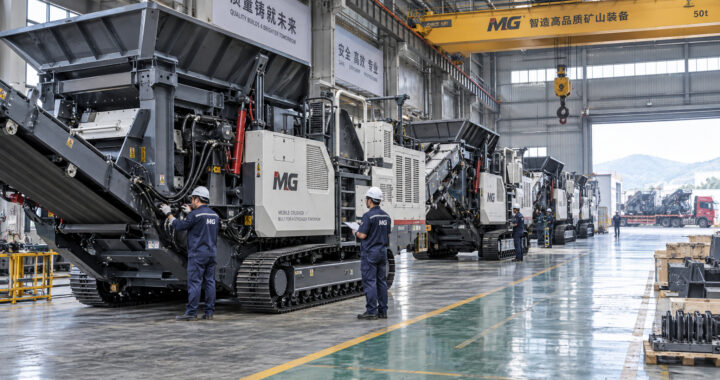
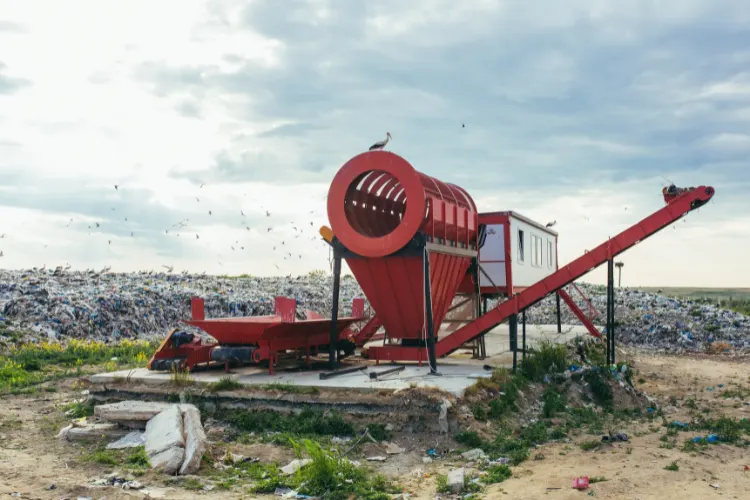
Selecting the right crusher is an important decision for any quarry or aggregate production business. The equipment affects how raw materials are processed, the size and shape of the finished product, production capacity, and overall operating costs. A suitable crushing setup helps businesses manage material flow and produce aggregates for construction, road building, mining, and other industrial applications.
M G Quarry Crushers has a company history dating back to 1986 and focuses on crushing equipment and quarry applications. For businesses planning a new operation or reviewing existing machinery, understanding the different crusher types and their uses can help guide equipment selection.
The best choice depends on the material being processed, the required output, the working environment, and the production targets. Considering these factors before investing can help quarry operators build a more practical and efficient processing operation.
Understand Your Raw Material
The first step in choosing a crusher is understanding the material that needs to be processed. Different rocks and minerals have different physical properties, which influence how easily they break and how much wear they cause to machine components.
Granite and basalt, for example, are hard materials that require suitable crushing equipment. Limestone is generally easier to crush, although its properties can vary. Recycled concrete and other construction materials may contain mixed components that need careful assessment before processing.
Operators should consider the following characteristics:
-
Hardness: Harder materials can place greater demands on crushing components.
-
Abrasiveness: Materials that cause significant wear may require more frequent component inspections and replacement.
-
Feed size: The dimensions of incoming rocks determine the crusher’s required feed opening.
-
Moisture content: Wet or sticky material can affect feeding, flow, and screening.
-
Material consistency: Changes in the feed can influence performance and finished product quality.
Understanding these properties helps narrow down the available equipment options and supports a better match between the crusher and the application.
Know the Main Types of Crushers
Each crusher performs a specific role in material processing. Understanding the differences helps operators choose equipment that matches their production requirements.
Jaw Crushers for Primary Crushing
Jaw crushers are commonly used at the beginning of a crushing process. They reduce large rocks into smaller pieces through compression between a fixed jaw and a moving jaw. Their ability to handle large feed material makes them suitable for many quarry and mining applications.
When evaluating a jaw crusher, consider the feed opening, material hardness, required output size, and expected production volume. These factors help determine whether the machine can handle the demands of the operation.
Cone Crushers for Secondary Crushing
Cone crushers reduce material through compression between crushing surfaces. They are often used after primary crushing to produce smaller, more consistent material sizes. They can be suitable for hard and abrasive rocks when the equipment is correctly matched to the feed material.
Operators should review the required product grading, crusher settings, feed consistency, and maintenance requirements before selecting a cone crusher.
Impact Crushers for Versatile Material Processing
Impact crushers break material through impact rather than relying mainly on compression. Depending on the design and application, they can be used for primary, secondary, or tertiary crushing. They are often considered when product shape is an important requirement.
Material properties, including hardness and abrasiveness, should be assessed carefully because they influence wear rates and operating costs.
VSI Crushers for Shaping and Sand Production
Vertical shaft impact (VSI) crushers use high-speed impact to break and shape material. They are often used in applications that require manufactured sand or carefully shaped aggregates. Their suitability depends on the feed material, desired particle characteristics, and production requirements.
Match Crusher Capacity to Production Targets
Choosing equipment with the correct capacity is essential for maintaining a balanced operation. A crusher that cannot keep up with the required feed volume may create a production bottleneck. On the other hand, purchasing equipment with much greater capacity than necessary can increase investment and operating expenses.
Estimate the volume of material that needs to be processed each hour or day. Then consider the expected operating hours, downtime, material characteristics, and required finished sizes.
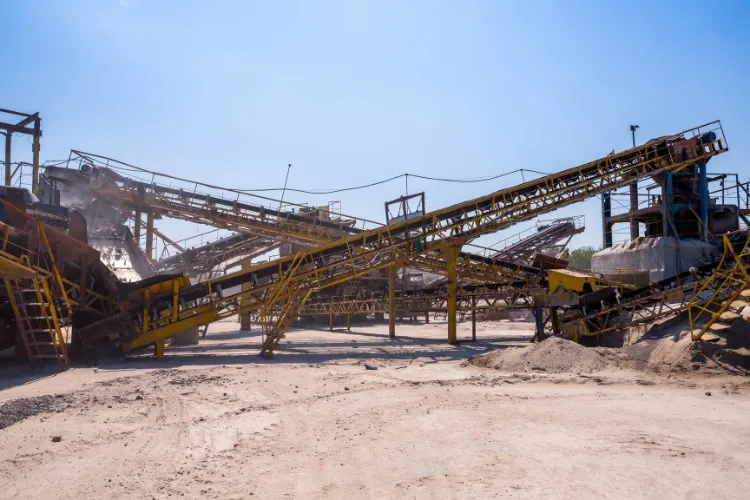
The complete processing line also matters. Feeders must deliver material consistently, conveyors must transport it efficiently, and screening equipment must separate the finished products. Each component should work with the crusher to support the planned output.
Consider Site Layout and Operating Costs
Site conditions influence equipment selection just as much as material properties. Fixed crushing plants may suit established quarries with predictable production needs, while mobile crushing equipment can offer greater flexibility for projects involving multiple locations or changing work areas.
Before making a decision, assess available space, access routes, power requirements, material transport distances, and installation needs. Noise, dust management, and site safety should also form part of the planning process.
Operating costs deserve equal attention. Consider energy consumption, wear parts, routine servicing, labour, and the availability of technical support. Comparing these factors alongside the purchase price gives a clearer picture of the equipment’s long-term value.
Plan for Maintenance and Reliable Performance
Regular maintenance helps keep crushing equipment operating within its intended conditions. Inspections can identify worn components, loose connections, lubrication problems, and other issues before they cause more serious interruptions.
Operators should follow the manufacturer’s maintenance schedule, use appropriate replacement parts, and maintain accurate service records. Training staff to recognise changes in vibration, noise, material flow, and output can also help identify developing problems.
A maintenance plan that reflects the material being processed and the machine’s workload can support more predictable production and reduce avoidable downtime.
Make an Informed Crusher Selection with M G Quarry Crushers
Choosing the right crusher requires a clear understanding of raw materials, production goals, finished aggregate specifications, site conditions, and ongoing maintenance needs. No single machine is ideal for every application, so equipment decisions should reflect the demands of each operation.
M G Quarry Crushers brings its history in the crushing equipment sector, dating back to 1986, to the quarry and aggregate industry. Businesses evaluating their options should compare suitable crusher types and consider how each machine will fit into the complete production process.