Marble Fireplace Ideas.
Key Takeaways
-
Marble fireplace surrounds pair innate heat resistance with powerful aesthetics, offering a secure and sophisticated option that fits in seamlessly with both contemporary and classic settings. When well-designed, marble can generate an enduring eye-catcher that complements numerous décors and room configurations.
-
Marble’s density lets it absorb and gently redistribute heat, making for a warm and inviting presence surrounding the hearth. For optimal results, adhere to local building codes on clearances and consider a matching marble hearth to provide heat to the surrounding floor area.
-
Compared to wood, standard tile or certain types of stone, marble is incredibly structurally long-lasting and won’t warp or crack with repeated heating and cooling. Combined with high-quality slabs, appropriate substrate support and expert installation, these surrounds remain solid and beautiful for decades.
-
A marble fireplace can dramatically increase the perceived value of your property because it conjures images of luxury, fine craftsmanship, and upscale real estate. By carefully selecting the appropriate marble type, finish, and scale, homeowners and designers can cater to the broadest possible range of buyers without compromising the style of the home as a whole.
-
Various types of marble including Carrara, Calacatta, and Nero Marquina, and finishes such as polished, honed, and leathered provide versatility to complement virtually any decor. Readers can choose stone according to cost, veining, high or low color contrast, and care requirements, then match it with lighting, metals, wood, and textile for a harmonious design.
-
For long-term performance, marble requires care. Gentle cleaning, occasional sealing where needed, and periodic checks for structural issues or damage are important. Collaborating with seasoned installers, engineers, and showrooms and utilizing resources like digital slab layout software goes a long way in making sure any new or replacement marble fits safely and seamlessly into the space as a whole.
===
A marble fireplace is a permanent heating fixture composed of natural stone that serves both functional and decorative purposes in an interior space. Marble is popular due to its smooth texture, cool temperature, and variety of colors and patterns.
Your marble surround can have a classic, modern, or hybrid style. Many homes make it a focal point in the living room. The guide breaks down styles, expenses, maintenance, and design advice.
Why Choose Marble Fireplace Surrounds
Marble fireplace surrounds provide a blend of security, fashion, and value that is effective in most homes and climates.
-
Naturally non-combustible and code-friendly in most regions
-
Handles high fireplace temperatures without cracking or discoloring
-
Strong heat retention that keeps rooms warm longer
-
Wide range of colors, veining styles, and finishes
-
Durable under repeated heating and cooling cycles
-
Low maintenance compared with kitchen marble use
-
Lighter and often cheaper than many people expect
-
Considered a luxury in real estate and hotels.
1. Heat Retention
Marble is dense, so it absorbs heat from the fire and then radiates it back into the room. The surround and hearth continue to radiate heat even after the fire goes out, which contributes to a consistent, peaceful heat instead of harsh fluctuations.
A marble hearth in front of the fire warms the floor, which is very palpable in seating areas, even a few meters away. Marble warms up a little faster than granite and cools at about the same rate, while soapstone generally retains heat longer.
Soapstone is less common and usually pricier. Porcelain tile may become hot to the touch but has a thinner mass, which dissipates heat faster and does not contribute the same soft radiant quality. Because marble is inherently non-combustible and withstands the heat of a fireplace without cracking, discoloring, or disintegrating, it suits surrounds and hearths for wood-burning and gas installations alike.
To remain code compliant, it’s wise to keep the marble a safe distance from wood mantels or stud walls and employ fire-rated backer board where appropriate.
2. Structural Longevity
Marble fireplaces have been around for hundreds of years, which speaks to their ability to withstand repeated heating and cooling. They won’t warp and won’t wear the surface in day-to-day use if the firebox is constructed properly and the flue draws well.
Their geological composition renders them less susceptible to water damage than wood trim or standard ceramic tile, both of which can swell, chip, or pop loose after periods of time. Selecting quality slabs and an installer that knows load paths, expansion joints, and the correct adhesives makes all the difference in the surround’s stability for decades.
For oversized surrounds or full-height slabs on upper floors, it’s worth verifying if the floor system or wall framing requires light reinforcing to carry the additional mass and remain within safe limits.
3. Visual Impact
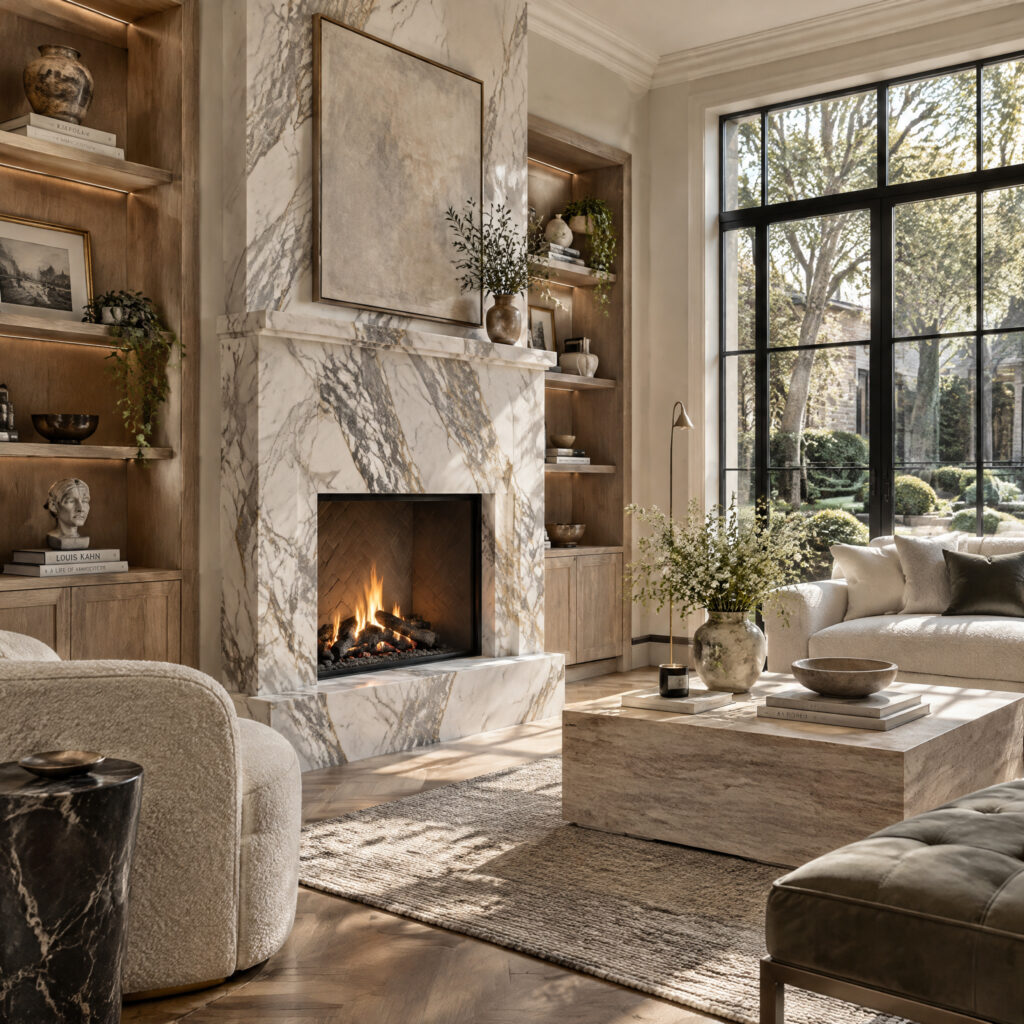
A marble fireplace becomes the de facto focal point of a living room, library, or main suite. The veining and soft shine draw the eye. In formal spaces or historic homes, classic white or light gray marble can evoke traditional design without being stuffy, while a honed finish mutes reflection for a more casual vibe.
Bookmatched slabs, where the veining mirrors across the opening, can read like a large piece of art and suit both minimalist lofts and ornate living rooms. Some owners combine a marble surround with thin metal edging, a minimalist wood mantelpiece or a band of colored tile within the firebox aperture for additional dimensional contrast.
Lighting matters: a wall washer above the mantel or floor spots aimed at the surround can highlight the veining and the shadow lines of the profile in the evening.
4. Property Value
That’s why well-done marble fireplaces frequently make real estate listing must-have photos and top hotel design projects. They communicate enduring value. Buyers read marble as a notch above painted wood or typical tile and that can assist a listing to rise above the din in crowded urban markets.
This is true in a lot of design schemes, from smooth modern apartments to classic homes inspired by older New England or European houses. Marble is hard, develops a soft patina over time, and you don’t have to worry about etching it like you would a kitchen countertop.
A pristine surround and mantel often re-sell as a ‘luxury upgrade’.
5. Design Versatility
Marble suits any style, whether its white Carrara in a traditional living room or striking Nero Marquina in an industrial loft or muted beige stone in a beach apartment. It comes in many sizes and shapes, including simple slabs, framed surrounds with pilasters, floating or built-up mantels, and matching hearth pieces.
Fabricators can cut straight, bullnose, bevel, ogee or stepped edges to suit everything from minimal to more ornate interiors, and marble’s typical thickness around 1.3cm keeps weight manageable. Compared to some heavy stones, it tends to be quite lightweight and frequently falls in the lower installed cost bands, with many projects pricing out someplace between $55–150 USD per square meter, depending on stone selection and configuration.
Homeowners combine marble with quartzite or limestone tile, or with painted woodwork and metal, for transitional or coastal modern styles that remain serene. A colored marble or patterned inlays can tie into wall colors, sofas or timber floors so the fireplace looks like part of a whole room plan, not a standalone feature.
Best Marble Varieties Compared
Selecting marble for a fireplace begins with its aesthetic compatibility to light, color, and scale in your room. The table below provides a quick side-by-side comparison of popular choices commonly used around fireboxes and on feature walls.
|
Marble Type |
Typical Color / Veining |
Relative Cost* |
Overall Look |
Fireplace Suitability |
|---|---|---|---|---|
|
Carrara / Bianca Carrara |
Soft white, fine light‑ to medium‑gray veins |
$$ |
Calm, classic, low‑drama |
Great for classic, transitional surrounds |
|
Calacatta |
Bright white, bold graphic gray/gold veins |
$$$$ |
Strong statement, high drama |
Best for feature slabs, luxury focal points |
|
Statuario |
Very white, clean field, crisp but softer veins |
$$$$ |
Refined, gallery‑like |
Suits minimal, light‑filled contemporary rooms |
|
Arabescato |
White base, looping, busy gray veining networks |
$$$ |
Expressive, highly patterned |
Works for bold focal walls, selective use |
|
Nero Marquina |
Deep black, sharp white veining |
$$$ |
Dark, dramatic, high contrast |
Ideal for modern, contrast‑driven designs |
*Price index only. Costs differ by slab grade and geography.
Light reflection and drama shift with color and pattern. White stones such as Carrara, Calacatta, and Statuario reflect more light throughout the room, which is beneficial in small living rooms or low-ceiling basements. Darker marble like Nero Marquina absorbs light and draws the eye to the firebox, which works well in wide, open-plan rooms that already receive strong daylight.
Veining type influences ambiance. Tight, delicate veining in Carrara or Bianca Carrara presents a softer, more relaxed look, while bold, graphic veining in Calacatta or Arabescato comes across as art on the wall, particularly when slabs are bookmatched. The way the stone is cut matters. Vein-cut emphasizes linear flow along the mantel or up a chimney breast, while cross-cut feels more cloudlike and soft.
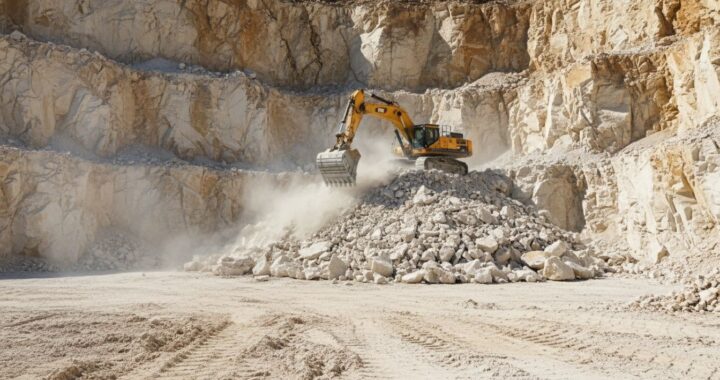
For Massachusetts or Houston homes, availability and sourcing can tip the balance in the end. Domestic stones and less exotic imports such as Carrara and Bianca Carrara are often more readily available through regional distributors and can reduce lead time for local projects.
To compare top-grade Calacatta and Statuario and other premium Italian varieties, especially large matched slabs for tall surrounds, special order and higher freight and fabrication costs may be incurred in addition to their higher quarry prices that reflect limited supply and worldwide demand.
Carrara Marble
Carrara marble, such as Bianca Carrara, features a soft white background with light to medium gray veining that appears gentle rather than harsh. This provides fireplace surrounds with a calm, classic vibe that plays well with older homes with trim work and newer builds that are more transitional. It doesn’t scream for attention, so the flames and the room’s furniture stay front and center.
Since the pattern is typically understated, petite surrounds or thin pilasters still appear in scale rather than cluttered. For placement, Carrara suits formal living rooms, home libraries, and family rooms where they linger. A Carrara white marble fireplace surround can bring together white built‑ins, neutral sofas, and simple window treatments without feeling chilly.
It suits panelled library walls as readily as fresh drywall, making it a safe bet if you’re going to shift wall colours down the line. From a cost perspective, Carrara is typically among the less expensive “authentic” marbles in the higher-end tier. It allows remodeling jobs to keep natural stone down at the hearth even when the kitchen or bathrooms take up a big chunk of the budget.
For pairing, Carrara is excellent with white painted mantels, soft gray walls and medium-tone wood floors like oak or walnut. The gray veining tones to wall color, while the white field contrasts with the darker floor so the entire arrangement feels serene and cohesive.
Calacatta Marble
Calacatta has a brilliant, pure white background with strong, striking veins in tones from cool gray to warmer gold. The contrast is bold and the pattern is frequently oversized, so it functions as a purposeful statement, not a backdrop. In contemporary spaces, that scale favors soaring, monolithic surrounds that extend floor to ceiling.
To maximize Calacatta benefits, a lot of designers opt for oversized surrounds or bookmatched slabs where the veins echo themselves across a center line, nearly like a Rorschach pattern. This works great over expansive linear gas fireplaces or large traditional openings with minimal trim, transforming the entire wall into a highlight panel.
Calacatta and its cousin stones, like Statuario, occupy the higher end of the price spectrum due to limited quarry production and very high global demand. They’re more likely to be found in upscale residences, design studios, and open concept rooms with fireplaces that can be seen from different rooms.
To style, polished finishes and a little decor go a long way when it comes to keeping this stone looking crisp. Minimal furnishings, thin black metal frames, and a neutral rug give the marble’s pattern room to breathe and shoulder the scene without competing visual noise.
Nero Marquina
Nero Marquina delivers a deep black backdrop with crisp white veining that instantly increases contrast in any space. On a fireplace, this comes across strong and graphic, so it fits more with contemporary and dramatic interiors than airy cottage-style rooms. It complements sleek fireboxes and minimalist, squared profiles because the stone itself carries visual heft.
This marble is ideal for accent walls, ribbon or linear fireplaces, and surround designs that mix materials, like a band of Nero Marquina encased by large‑format porcelain or an entire wall of wood‑grain granite with a black marble fire opening. The black stone grounds the piece and makes the flame seem even more radiant in contrast.
Nero Marquina suits industrial-leaning spaces when paired with stainless steel surrounds, blackened steel or mixed metal brushed brass and gunmetal accents. Glossy black stone combined with metal edges can provide a distinctive, intentional frame for the fire.
To prevent the fireplace from feeling too heavy, many pair Nero Marquina with light marble or beige walls and pale floors, so the dark stone remains a powerful focal point rather than shrouding the entire room in darkness.
Surface Finishes and Performance
Surface finish affects the appearance, tactile sensation, and durability of a marble fireplace in an environment with heat and soot. It changes how much maintenance you commit to in the future.
|
Finish |
Look & Lighting |
Veining & Texture Visibility |
Maintenance & Care |
|---|---|---|---|
|
Polished |
High shine, strong reflection, brightens dim rooms |
Veins look sharper and more defined |
Shows soot, fingerprints, and dull spots faster; needs gentle, frequent cleaning |
|
Honed |
Matte to low sheen, soft light bounce |
Veins appear softer, more blended |
Hides small scratches better; needs regular sealing to resist stains and dust |
|
Leathered |
Textured, low reflection, deeper shadows and contrast |
Veins and fossils gain a 3D, tactile character |
Masks smudges well; dust can sit in texture, needs brush or vacuum plus sealing |
Finish selection needs to align with your desired level of gloss, your room usage, and your tolerance for soot marks or tiny flat spots developing over time.
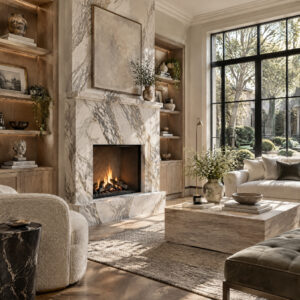
Polished Finish
Polished marble is a high-gloss, mirror-like finish that reflects light and intensifies the appearance of colors and veining. In a living room or bathroom, a polished fireplace surround can reflect daylight or artificial light across the space so that even a small room feels more spacious and fresh. Classic white marble with grey veining looks crisp and formal.
Darker stones, such as deep green or black, develop a piano-like shine that some associate with luxury hotels and old mansions. This finish tends to suit spaces where the fireplace is the star: a linear gas fireplace in a main living area, a double-height feature wall, or a formal sitting room. The gloss draws attention to the stone’s inherent pattern, so dramatic veining—think Calacatta or Arabescato—tends to perform best in polished iteration.
The flip side is that soot deposits, moisture marks, and fingerprints stand out more on a reflective plane, particularly on darker marble. Regular maintenance involves cleaning the surround with a soft cloth and a pH-neutral cleaner and steering clear of abrasive instruments that might mar the shine. Because marble is porous, sealing immediately post-installation assists in restricting absorption of dust, soot residue, and cleaning products.
Multiple thin coats with full dry time between each generally provide a more even barrier than a single thick coat. When you fire up the fireplace for the first time, heat can drive any remaining moisture out of the stone, so an unsealed polished surface is at its most vulnerable during this time. If etching or deep staining does happen, a stone professional can bring back the shine with honing, repolishing, and resealing.
Honed Finish
Honed marble has a matte or satin finish with little to no glare. It delivers a softer, more relaxed aesthetic that fits in both classic dens, transitional open-plan spaces, or active family rooms where you desire stone presence without the “showroom” feel. Veining comes off a little hazy and the colors are on the muted side, which can assist a fireplace in receding into built‑ins, plaster walls, or unadorned wood shelving.
Since honed stone is already matte, minor scratches or etching are less apparent than on a polished surface. That’s what makes this finish so practical in high-traffic areas or where kids and pets traipse around the hearth. The tradeoff is increased stain risk, as the open surface can absorb liquids and soot more rapidly.
Sealing after installation is key, and resealing every 12 to 18 months around an active fireplace keeps stains and moisture at bay. Once again, multiple thin coats of sealer with complete drying time typically outperform a single thick coat. Baking soda and water paste can pull residue from the surface for tough stains, but deep damage is still best left to a professional for honing and resealing.
Honed marble lends itself particularly well to teaming up with warmth, natural wood mantels, leather chairs, or woven rugs that establish a cozy, low-glare oasis surrounding the fire. Custom fabrication matters: edge profiles like eased, bullnose, or simple beveled edges change both look and chip resistance. Fabricators can cut honed surrounds to fit almost any fireplace size or insert.
Leathered Finish
Leathered marble has a textured, softly-dimpled surface that you can sense with your hand, as its sheen remains low to mid. This finish brings dimension and a feel that works well in contemporary lofts, media walls, or dramatic feature rooms where you want your stone to look different than the standard flat, glossy slabs. Veins and fossils can pop in a subtle three-dimensional manner, catching side light and shadow without mirror-glass reflecting.
On a fireplace, leathered marble obscures fingerprints, light soot and minor water marks since the texture shatters reflections. It generally provides better slip resistance than polished, which is convenient on raised hearths or floor-level applications where folks might step or sit. For that reason, dust and fine ash can lodge in the exterior texture, so cleaning sways toward best with a soft brush or vacuum attachment first, then a light wipe with a mild cleaner.
Sealing is still required, as stone is still porous, and follow-up resealing should be included in long-term maintenance. Leathered finishes fit well with modern materials. Think dark leathered marble behind a linear gas fireplace, balanced with driftwood and crystal media in the firebox, or paired with mixed metals like brushed brass and blackened steel.
Hard to resist. Custom edge work—chunky mitered returns for that monolithic block look, or crisp square edges—can push the design more industrial or more refined, depending on your room. If etching or heavy staining ever creeps in, restorers can lightly hone, retexture, and reseal to return the leathered look.
Structural Engineering and Installation
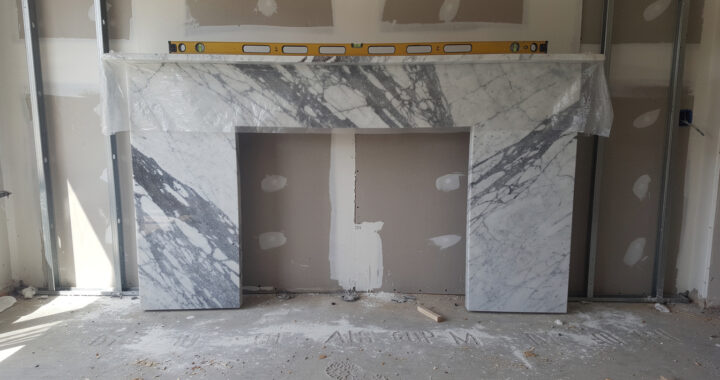
Structural engineering and installation is what makes a marble fireplace safe and long lasting, more than the marble. Professional installation is important as a fireplace is a source of heat and a hole in the wall. While marble itself is naturally non-combustible and often code-acceptable for surrounds and hearths, the method in which it is supported and installed around the firebox must comply with local regulations.
Most municipalities, for instance, demand a hearth extension of at least 18 inches in front of the firebox, but this varies by geographical area, fuel type, and firebox design. The project architect, engineer, contractor, and installer have the legal and practical responsibility to adhere to these regulations, not the stone supplier. That’s why, before doing any work at all, it’s clever to actually read the firebox manufacturer’s instructions and verify clearances, venting, and allowable surround materials.
Backing heavy marble slabs is a big concern, particularly with oversized mantelpieces, floor to ceiling cladding, or book-matched panels. While marble can resist ordinary fireplace temperatures without cracking or deteriorating, it is still heavy stone. On upper floors, the installer may need to install blocking, metal brackets, or a steel frame tied back to structural framing as opposed to subfloor alone.
In old houses, floors get a little saggy, but the chimney or structural wall surrounding the fireplace remains relatively steady. That slight movement can exert uneven pressure on long horizontal elements, such as a heavy marble hearth or broad mantel shelf, and lead to hairline fractures. Simple steps help: check the subfloor with a level, add shims or a mortar bed to even it out, and avoid long, thin slabs with no support at mid-span.
To square everything up in one flat plane provides a clean appearance and improved safety. Your marble surround, firebox face, and adjacent wall finish all work best when they sit flush or with intentional, small reveals. Flat transitions minimize the risk of tripping at the hearth, simplify the sealing of any joints so hot air and soot cannot escape, and reduce sharp edges around the firebox opening.
To do this well, it’s helpful to work with your architect and tile or stone installer early in the project. Whether you have a recessed TV above, additional molding, or special order marble with long lead times, those decisions impact wall depth, wire routes, and mounting heights. When these details line up on paper first, the installed fireplace ages better. The marble remains a strong piece of the architecture for decades.
Long-Term Preservation Protocols
Marble fireplace preservation is about defined maintenance, consistent heat, and wise installation and repair decisions. Each step seeks to defend the stone from cracks, stains, and gradual abrasion accrued over years of use.
Make a basic checklist and adhere to it regularly. Dust weekly with a soft, dry microfiber cloth. Make a light clean once a month with a pH‑neutral stone cleaner and warm water using a soft cloth or sponge, not a rough pad. Seal it every 6 to 12 months by dribbling a few drops of water on the surface. If they soak in within a minute, re-seal the marble using a penetrating sealer formulated for natural stone.
At least once a year, examine joints, caulk lines, and any trim for cracks or loose pieces. Make sure the marble is not touching the firebox edge. This easy list reduces the danger of thermal-stress fractures, discoloration, and loose tiles.
Regular, gentle cleaning is the secret to maintaining the lustrous finish. Use mild pH‑neutral cleaners only. Vinegar, lemon, bleach, or any acid will etch the surface and leave dull spots. Blot spills immediately, particularly those involving wine, coffee, or oil, so they don’t absorb and leave a stain.
Don’t scrub hard on soot marks because they’ll embed. A soft brush and stone-safe cleaner is the answer. If you spot early etching, a stone care pro can typically hone and repolish the face before the damage runs too deep.
Following any significant remodel, chimney work or atypical heat event, check the surround for hairline cracks, shifted joints or indications that the wall has moved. Marble close to high heat can develop thermal-stress cracking, particularly if it abuts right on the firebox opening, so a slight gap and heat-resistant frame or trim are beneficial.
A stable base matters too. A cement backer board and solid substrate minimize flex which can cause cracking over time. Replace repairs with stone closest possible to the old. Slabsmith inventory software can help display digital layouts and vein patterns such that replacement pieces match up with the original surround.
Going to a showroom or stone yard aids you in comparing tone, veining, and finish in person. These are all important considerations in the case of older or more rare marbles. For any new install or reset, use cement backer board, follow local codes and permit rules, and choose a heat-rated adhesive or mortar with appropriate curing times.
Waiting 24 to 48 hours before grouting heat-rated mortars bonds the stone well and reduces the chance of cracks or bond failure. Thoughtful templating and planning up front stops expensive rework and gives the marble a better shot at aging well.
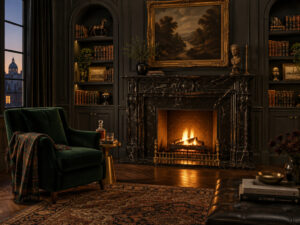
Architectural Innovations Beyond Surrounds
Architectural design is propelling marble fireplaces beyond the standard mantel-and-hearth configuration and transforming them into oversized elements that connect rooms, surfaces and heating systems in a single unified stroke. One shift is from surrounds to full wall wraps and media walls. Instead of ending at the firebox, slabs can climb from floor to ceiling, with seams designed so the veining flows in one direction.
Calacatta or Statuario marble are great choices for this, as their strong veins and white background translate beautifully in large spans. A wall like this can surround a skinny gas insert, disguise TV cables and integrate with a low bench or storage nook. In open concept spaces, that same marble can reemerge as a kitchen countertop or island face, creating a continuous canvas from living area to cooking area.
This sort of layout works for both new builds and meticulous remodels of old stone homes, which have been using marble around fireplaces for centuries due to its timeless appearance and heat-resistant qualities. Modern heating systems alter marble’s appropriateness. A sealed glass, vent-controlled gas fireplace could nestle inside a tall marble portal with slender side returns, offering a sleek, near-flush facade.
For homes that still burn wood, a steel or cast-iron stove could sit in front of a marble wall and hearth, so the stone functions as a non-combustible shield and a visual anchor simultaneously. One approach has been to glue veneer-thin slices of natural stone to a lightweight backing around these units. This saves weight and expense while maintaining the appearance of solid marble, opening up more design possibilities, particularly on upper floors or cramped areas.
Marble can step back from the living room. Bathrooms, a small gas or electric fireplace inset into a marble wall behind a tub converts the ‘surround’ into a piece of the spa design. Ceiling-height slabs above the fire can touch large-format porcelain on the upper ceiling, merging stone and porcelain in one serene canvas.
In open concept living rooms with dark wood floors, a pale marble fireplace wall provides a definite counterpoint and bounces light back into the room. Varied shapes assist here as well. Other projects employ successive book-matched slabs to shape geometric surrounds, floating hearth blocks that extend 300 to 450 mm beyond the wall, or asymmetrical returns that encircle a corner.
Homeowners who love the aesthetic but desire less cost or higher heat resistance can swap out a few planes for porcelain or soapstone and preserve the marble only where it has the most impact, the vertical surround. With installed prices typically ranging from approximately $55 to $150 per square foot, this materials mix maintains budgets while not sacrificing the powerful statement.
With renewed interest in natural materials and more traditional craft methods, these modest but persistent innovations illustrate how a long-employed fireplace stone can still feel modern.
Conclusion
Marble fireplaces combine heat, light and stone in a transparent, truthful manner. You get true craft, substantial weight, and aggressive style all in one place. The right stone, cut and finish transform the whole room. One sharp black frame in a city loft feels bold. There’s something so serene about a soft white mantle in a small flat. Clever installation and maintenance make the stone strong and pure season after season.
Way, one step at a time, to make progress, choose one step forward. Narrow down to two or three marbles you like. Grab a couple finish samples and hold them up next to your fire wall. Consult with a local stone shop or engineer about span, weight and code. Let reality be your guide, then commit to the look that works.
Frequently Asked Questions
Is a marble fireplace surround a good idea for everyday use?
A marble fireplace surround will suit most homes. It is heat-resistant, durable and lasts a long time when installed properly. It requires consistent cleaning and sealing to avoid stains and etching, particularly in high-traffic living rooms.
Which type of marble is best for a fireplace?
Dense, low-porosity marbles such as Carrara, Calacatta, and Statuario are typically selected. They cope beautifully with heat and look sleek. The best type really depends on your budget, color preference, and how much upkeep you’re willing to do.
Do marble fireplace surrounds need sealing?
Yes. Sealing protects marble from soot, smoke, and accidental spills. Generally, most professionals suggest sealing either annually or biannually, depending on use and marble type. Always seal it with a natural-stone sealer around fireplaces.
What surface finish is most practical for a marble fireplace?
Honed finishes, as opposed to polished, are often more practical. A honed surface minimizes visible scratches and etching from daily contact. Polished marble provides a sleek, elegant appearance but reveals smudges and fingerprints with greater ease.
Are structural reinforcements needed for a marble fireplace?
Large, thick marble slabs can be quite heavy and may require additional wall support or a reinforced hearth. Have a structural engineer or qualified installer check load-bearing limits before installation, particularly in older buildings.
How do I maintain a marble fireplace over time?
Marble should be cleaned regularly with a pH-neutral stone cleaner and a soft cloth. Stay away from chemical and abrasive pads. Wipe up spills immediately, seal regularly, and seek out cracks or loose joints so you can repair them before they get worse.
Can marble be used beyond just the fireplace surround?
Yes. Think of marble going all the way to full-height wall cladding, integrated mantels, benches, and shelving. Many designers extend that same marble onto floors or surrounding walls to create a complete architectural focal point around the fireplace.