
- Key Takeaways
- Define Natural Slate and Stone
- Architectural Applications
- Performance and Longevity
- Sustainable Quarrying Practices
- Natural Versus Engineered Alternatives
- Authentic Material Value
- Conclusion
- Frequently Asked Questions
- What is natural slate and how does it differ from other stone?
- Where is natural slate commonly used in architecture?
- How long does natural slate last?
- Are there environmental concerns with slate quarrying?
- How does natural slate compare to engineered stone?
- Is natural slate suitable for wet or freeze–thaw climates?
- How can I verify the authenticity and quality of slate?
Key Takeaways
- Slate is a foliated metamorphic rock with layered, cleft surfaces that render each piece visually distinctive and appropriate for use in roofing, flooring, and cladding. Evaluate mineral content and formation to forecast color and strength.
- Natural stone includes slate, marble, granite, and limestone, each with varying porosity and durability. Select material according to application, indoor or outdoor exposure, and resistance requirements.
- Gold Standard: quality checked for consistent thickness, edge calibration and imperfection grading, mixed tiles from several boxes for harmonious appearance once installed.
- To ensure years of healthy performance, seal slate right. Utilize recommended cleaners and penetrating sealants, and schedule maintenance to retain color, minimize staining, and prolong life.
- Prioritize Certified Stone Choose responsibly quarried stone by considering sustainability, extraction, and labor standards to minimize environmental footprint and promote ethical sourcing.
- When deciding between natural and engineered materials, weigh the authenticity, variation, upkeep, and enduring value. Choose the option that fits your design vision and practical needs.
===
Natural slate and stone are time-honored building materials created by nature through geological processes spanning millions of years. They provide longevity, require minimal upkeep, and have unique color and texture variation for roofs, floors, and countertops.
Slate sheds water nicely and resists frost. Stone varieties such as granite and limestone are appropriate for heavy traffic and exterior conditions.
These break down typical varieties, prices per square meter, and maintenance advice for lasting results.
Define Natural Slate and Stone
Natural slate and stone describes rock materials that are excavated from the ground. Slate, for example, is a particular foliated metamorphic rock created when shale or mudrock experiences low-grade metamorphism under heat and pressure.
Natural stone is a more general term that encompasses slate, marble, granite, limestone, and more, each with different formation processes, mineral compositions, and applications.
1. Geological Origins
Slate arises from the metamorphism of shale or mudrock. Mudrock shrinks up to half its original volume as it compacts. Under directed pressure, the clay minerals rearrange themselves into thin, planar layers.
This produces a compact, fine-grained rock with tightly packed, parallel grains. Natural stone is mined from the earth’s geological formations around the world. Significant contributors are Italy for marble, India for many granites and slates, and the UK, Spain, and Brazil for certain types of stone.
Mineral content and the formation conditions, such as temperature, pressure, and available fluids, produce unique colors and banding. Slate typically contains quartz, chlorite, and mica. These minerals impact color, luster, and durability.
2. Core Petrology
Slate’s petrology presents very thin, oriented mineral grains that provide a split or cleft surface. Under a microscope, slate frequently shows thin lenses of quartz and feldspar separated by mica sheets.
Foliation provides planes along which the rock can cleave easily into roofing slates or tiles. Slate is relatively non-porous and dense in comparison with porous stones such as limestone. Metamorphic processes harden it and prevent water uptake.
Many slates have water absorption of less than 0.4%, which limits frost damage. Foliated rocks like slate perform differently in use than non-foliated stone. Foliation facilitates splitting and produces excellent dimensional stability. Non-foliated stones can have alternative strengths for load-bearing uses.
3. Visual Variations
Slate’s natural palette ranges broadly: deep blacks and grays, blues, greens, reds, purples, and gold tones. Local geology dictates these colors. A quarry in one area will produce different hues than another.
No two slate tiles are alike. Every piece exhibits a different grain, texture, and slight imperfections that determine which can be used for exposed installations.
Types of slate and typical color ranges:
- Carboniferous slates: dark gray to black.
- Green chlorite-rich slates: green to bluish-green.
- Oxidized iron-bearing slates range from red to purple.
Natural layering and cleft surfaces bring depth and contrast to floors and cladding.
4. Physical Properties
Key properties: high density, low porosity, excellent durability, and resistance to water and stains. Slate – slabs, calibrated squares and rectangles, 12 by 12 tiles, random cuts, sawn to natural cleft.
Its textured surface provides slip resistance for use in bathrooms, kitchens, and exteriors. Slate’s weather resistance and low absorption lend themselves to use as a roofing material and make it an enduring choice for floors and monuments.
5. Quality Standards
Grading includes variation and flaw ratings. Look for consistent thickness, square edges and calibration when purchasing. Mix tiles from several boxes to minimize shade variations.
Typical sizes are precision calibrated tiles, rectangles and mosaics to suit installation requirements.

Architectural Applications
Natural slate and stone present a broad range of architectural applications, from shell cladding to interior tiling. Their centuries-long use and recent revival owe to a traditional affinity for genuine materials and tangible improvements in longevity, energy performance, and reduced life-cycle impact. Slate’s low water absorption, typically less than 0.4 percent, and natural cleft surfaces make it adapted to a wide range of architectural applications.
Exterior Envelopes
Slate has become a popular choice for exterior cladding, roofing, and landscape features as it resists weathering and holds form for decades. Historic roofs over 300 years old continue to survive in many locations, a testament to the material’s lifespan when installed and cared for effectively.
Slate’s layered structure and cleft surface give facades texture, capturing light and shadow in ways smooth materials cannot. Big architectural tiles, like the one sometimes referred to as California Gold, make stunning outdoor walls or terraces while minimizing joints and easing upkeep.
Slate’s inherent variation in color and shade, sometimes found even within a single quarry, allows designers to merge buildings with surrounding terrain or use contrast to emphasize massing. Slate boulders, stepping stones, and thin cladding panels create coordinated palettes that age with predictable patina in landscaping.
Interior Surfaces
Slate floor, wall and wet-area tiles are prevalent in classic and modern interiors. The textured cleft finish provides traction underfoot, so slate functions wonderfully in entry halls, kitchens, and bath floors where slip resistance is important.
Slate tile can be a neutral backdrop or a bold contrast depending on tone and finish, accommodating diverse interior design styles. Mixing types, sizes and finishes allows designers to construct quiet, layered interiors or vibrant mosaics.
Use big slabs for serene, lengthening floors, tiny mosaics for feature walls or shower floors and polished faces for counter slabs where fast cleaning is a must. Suitable slate products for interior use include:
- Cleft-face floor tiles (rectangular planks)
- Polished countertop slabs (thicker cut)
- Mosaic pieces for backsplash and shower niches
- Honed or tumbled tiles for low-glare surfaces
- Thin veneer panels for wall accents
Structural Elements
Slate adds to architectural elements where strength and finish are both important. Hearths, stair treads and window sills typically use thicker slate as it supports weight and withstands abrasion.
Large slabs and blocks can be used as counters, benches and even outdoor seating. Precision cutting and flatness are important for these applications. Diamond-tipped blades and water-cooled saws are par for the course for precise cuts and crisp edges.
Well-cut and installed slate holds up to hard usage and doesn’t need to be replaced as often as many manufactured surfaces.
Performance and Longevity
Slate and natural stone are great, enduring building materials that perform well after ages in both indoor and outdoor settings. Their natural hardness and low porosity allow them to withstand wear, abrasion, and many of the chemical effects that eat away at softer materials. Similarly, with roofing, carefully selected and installed natural slate can endure for 75 to 100 years or more.
Premium slate routinely surpasses 100 years and well-maintained assemblies can last upwards of 150 years. This durability causes slate roofs to frequently outlast conventional roofing materials by decades, reducing the necessity of replacement and minimizing long-term material waste.
Proper sealing and regular maintenance are important for preserving that lifespan. Slate is inherently water and stain resistant, but surface pores and fissures can harbor dirt, organic matter and salts. Left untreated, such buildup as moss, algae, or debris indicates your roof is retaining moisture, which accelerates deterioration and freeze-thaw damage in colder areas.
If numerous slates are loose or have slipped, the roof’s performance is compromised and water entry points multiply. Good maintenance includes inspecting the roof twice a year, clearing debris, replacing slipped slates, and checking flashings and nails. This directly lengthens service life and prevents minor problems from turning into major failures.
Specialized sealants and care products shield finish and color without hiding the stone’s personality. Penetrating sealants that absorb into the pores are preferred, as they minimize water absorption yet maintain permeability. Slate oils or bespoke mineral stone oils can refresh color depths and renew matte or honed finishes, but use sparingly and only on appropriate finishes.
Don’t use film-forming sealers on exterior slate roofs as they may hold moisture. To clean, opt for pH-neutral stone cleaners, soft brushes, and low-pressure rinsing, steering clear of corrosive acids or high-pressure washers that can degrade joints and thin slates.
Slate’s natural resistance to water, stains and wear makes it ideal for use in bathrooms, kitchens, entryways, patios and high-traffic corridors, as well as wet exteriors or freeze-thaw climates. Synthetic slate lasts around 20 to 50 years and looks like it wears out even quicker in harsher weather.
Natural slate maintains structural and aesthetic value for far longer periods of time. Practical steps to preserve performance include documenting installation details, scheduling biannual inspections, clearing gutters and valleys, replacing damaged slates promptly, and using recommended penetrating sealants and slate oil where appropriate.
Sustainable Quarrying Practices
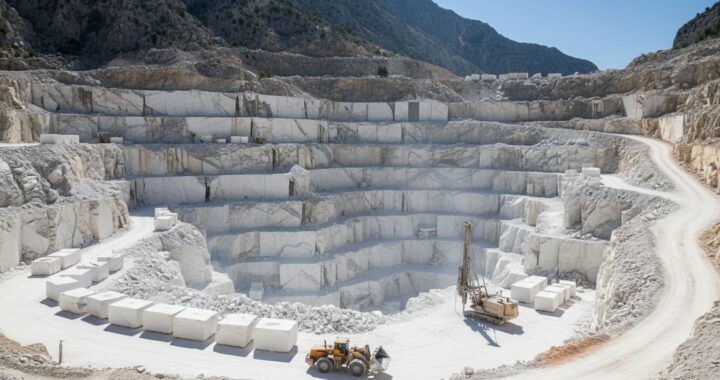
These sustainable quarrying practices seek to take natural slate and stone and keep harm to land, water, and wildlife minimal. Good practice starts with site study and planning to map streams, rivers, riparian zones, and habitats prior to any work commencing. That planning dictates where to cut, where runoff can go, and where native plants and animal corridors must remain.
Quarries can often run for decades or centuries and may generate millions of square metres of material. Forward planning helps make sure the site can be handled responsibly across that entire stretch.
With more advanced extraction techniques, these quarries reduce waste and keep big blocks intact. Diamond wire saws cut bedrock with a thin kerf, leading to less stone lost to cutting and fewer blasts or heavy impacts that shatter material. Wire saws reduce dust and vibration, so adjacent streams and underground roots experience less disruption.
Thoughtful block orientation and precise cuts increase yield per block, reducing the quantity of quarried stone necessary for a project. Smaller, focused tools and water suppression continue to minimize dust and harm to vegetation around the face.
Sourcing from quarries with sustainable practices and fair labor certification is important. Third-party standards, including the Natural Stone Sustainability Standard, ensure quarry operators monitor environmental impact, control waste, and safeguard worker health. Certifications show the quarry considered social responsibility, including safe working hours, dust controls for respiratory health, and fair pay for local workers.
Purchasers should request certification papers, site photographs, and recent third-party audit reports before placing large orders.
Think re-purposing/post-use when selecting quarries. Once extracted, responsibly managed sites can be refashioned for community and ecological purposes. These can range from lakes for fishing and swimming, trails for hiking and biking, or crags for rock climbing.
Restored riparian strips and planted natives bring back wildlife corridors and stabilize soil. These results require an advance schedule and reserve established during quarrying.
Checklist for selecting sustainable natural slate stone tiles:
- Third-party sustainability certification present and current.
- Site plan that documents protection of waterways and riparian zones.
- Adoption of low-impact extraction methods, such as diamond wire saws.
- Good worker health and safety records, fair labor proof.
- Waste and water management plans, including erosion controls.
- Post-quarry restoration plan with community or ecological reuse.
- Evidence that stone is natural, quarried without chemical additives.
Natural Versus Engineered Alternatives
Natural versus engineered alternatives. Slate and stone are natural, mined from rock quarries and exhibit unique veining, color variation, and texture deposited by the eras of time. Engineered options like porcelain and composite tiles are factory made and seek repeatability, sometimes lending a uniform surface or bright solids that you won’t find in nature.
These fundamental distinctions influence selection based on how and where the material will be applied, its intended longevity, and the desired artistic style.
There’s nothing like natural stone for authenticity. Each slab has distinct traces of mineral and pressure, imprinting floors, walls, and roofs with a primal depth that feels natural and old. Slate roofs have recorded lifespans in excess of 100 years in many cases, which is proof of long-term durability given the proper underpinnings and maintenance.
That same weight can be a constraint. Natural stone is heavy and can need structural reinforcement before installation, increasing upfront cost and design planning.
Engineered materials exchange that uniqueness for predictability. Porcelain and composite tiles provide uniform color, size, and finish and frequently are available in strong color choices and solid shades that nature does not offer. Those can accommodate contemporary or tight aesthetic layouts where consistency is key.
Engineered tiles tend to be lighter, easier to work with, and have a more consistent installation process. They fight everyday stains better, so routine care can be simpler and less professional work is required.
Maintenance and long-term value are key to the equation. Engineered products generally are more economical up front and exhibit lower maintenance costs over mid-term time horizons. Economical tile replacement and less-specialized labor can keep costs low over 50 years.
Engineered materials may require complete replacement or extensive work within 30 to 50 years, which can offset or eliminate initial savings. Natural stone usually requires more specialized maintenance, yet its time-tested durability—particularly in the case of natural slate—can render it a superior investment over multiple decades.
Select by application, appearance and lifetime value. For classic, luxury, or nature-inspired designs, natural stone provides a timeless narrative and substance that echoes. For lean budgets, contemporary all-the-same-tiles looks, or projects requiring lighter-weight and easier installs, engineered tiles offer reliable performance and reduced short-term to mid-term costs.
Think about structural boundaries, anticipated longevity, accessible maintenance expertise, and the sentimental worth of an organic surface.
Authentic Material Value
Natural slate and stone possess enduring value in design and construction via a combination of material durability, aesthetic dimensionality and market positioning. Authentic slate roofs routinely last in excess of 100 years when properly installed and cared for. That longevity makes slate a real investment for homeowners and building owners.
Material cost is typically two to three times that of high-end synthetics, and professional installation is necessary, increasing initial cost. Still, the longer service life and lower replacement demand can make slate less expensive per square foot over a 50-year window versus synthetics that tend to need replacing two to three times.
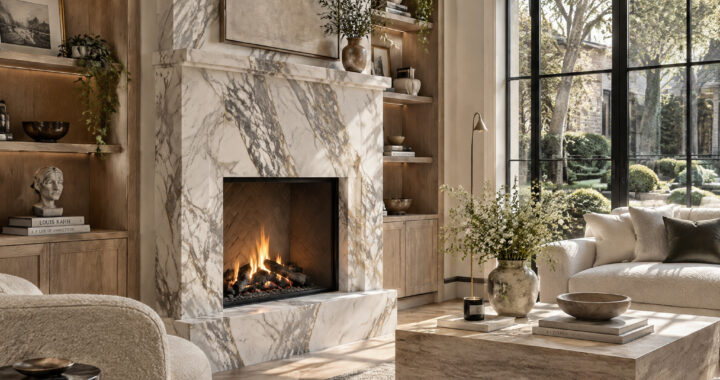
Texture and color variation in natural stone produce surfaces that register as one of a kind, not mass manufactured. Veining, grain, and subtle color variations exist from quarry to quarry and even within a single roofing lot. Those differences bring a feeling of substance and workmanship to exterior and interior uses, including roofing, cladding, flooring, and feature walls.
There is something about authentic stone that buyers in high-end markets respond to. Homes featuring real slate exhibit a prestige that composites seldom deliver, and that can lead to greater resale value or enhanced branding for commercial developments.
Even more defining, I think, is the practical benefit of durability. Real slate is natural stone, durable and weather resistant, but it can be brittle and prone to cracking from point impact or freeze-thaw stress in certain climates. Heavy weight is another practical factor: natural slate tiles often weigh between 800 and 1,500 pounds per square (per 9.3 square meters), so structural reinforcement or engineered framing may be necessary.
That translates to early collaboration with structural engineers and contractors when specifying slate and pragmatic budgeting for roof framing upgrades where needed. Compare syntheses with care. A lot of newer synthetics provide lower upfront cost and lighter weight, but they don’t have the long-term history of natural slate.
Certain synthetic systems have broken down or needed replacement after 10 to 12 years, with none having proven their longevity beyond 50 years. This gap affects lifecycle cost modeling. When you count replacement cycles, labor, disposal, and the interim loss of performance or appearance, natural slate can be the more economical choice over multiple decades.
Demonstrating finished projects resonates with both visual and practical value. Employ high-res images of ceilings and panels in different lighting, along with case notes on modifications, installation techniques, and maintenance schedules.
Include real-world experiences from different climates, like the resilience of the Semples, and mention any issues observed, such as occasional cracking, to temper expectations.
Conclusion
Natural slate and stone add obvious, timeless value to buildings and spaces. They resist wear, shed water, and keep form for decades. A stone floor wears age as charm, not imperfection. Best-practice quarries reduce waste and protect surrounding land and water. Engineering options suit tight budgets and particular requirements, but they seldom come near the blend of texture, weathering, and repairability that natural stone provides. When your project is fueled by durability, visual dimension, and low maintenance, opt for the natural choice in roofs, cladding, and surfaces. Tight timeline or strict budget? Try engineered mixes or reclaimed stone. Consider site requirements, budget, and lifecycle cost and then choose the match that endures and feels right.
Check out material samples and visit local quarries to make the best choice.
Frequently Asked Questions
What is natural slate and how does it differ from other stone?
Slate is a fine-grained metamorphic rock derived from an original shale-type sedimentary rock composed of clay or volcanic ash. It cleaves to thin, flat sheets. It is different from other stone in its stratified nature, uniform cleavage, and long-lasting, low-porosity surface suitable for roofing, flooring, and cladding.
Where is natural slate commonly used in architecture?
Slate is used for roofing, exterior cladding, flooring, countertops, and landscaping. All in a naturally strong, thin-sheet form that is perfect for pitched roofs, wet areas, and high-traffic floors where the performance over time counts.
How long does natural slate last?
When installed correctly, slate can last 50 to 150 years or longer. Its lifespan varies by slate grade, regional climate, and quality of installation and maintenance. Professional quarried slate is one of the most long-lasting roofing and flooring materials.
Are there environmental concerns with slate quarrying?
While quarrying does have its own impacts, such as habitat disruption and energy use. Good operators waste less, reclaim sites, and conserve water and energy. Select certified or transparent suppliers to minimize environmental risks.
How does natural slate compare to engineered stone?
Natural slate and stone provide authentic texture, natural variation and longevity. Engineered stone offers a uniform appearance, lower price and simpler installation. Opt for natural slate and stone for their authenticity and longevity, or engineered options for economic or design uniformity reasons.
Is natural slate suitable for wet or freeze–thaw climates?
Yes. Dense, low-porosity slate resists water and freeze-thaw damage better than many stones. Choose frost-resistant grades and lay carefully to avoid water entry and edge damage.
How can I verify the authenticity and quality of slate?
Inquire about geological origin, grade, absorption rate, and sample pieces. Demand supplier references and installation warranties. Certified test data and a transparent supply chain mean reliable quality.