
Modern construction depends on strong foundations, reliable materials, and well-planned building methods. From residential properties and commercial developments to highways and industrial facilities, crushed aggregates play an important role in supporting structures and preparing stable surfaces. These materials are produced by breaking larger rocks into smaller pieces using specialised crushing equipment.
For quarry operators, construction contractors, and aggregate suppliers, producing suitable crushed stone requires the right machinery and a clear understanding of material requirements. M G Quarry Crushers operates in the crushing equipment sector, with a company history dating back to 1986. Its focus on crushing equipment and quarry applications connects with the material processing needs of businesses supplying construction projects.
Understanding how crushed aggregates are produced and used helps construction professionals make informed decisions about material selection, equipment requirements, and production planning.
Understanding Crushed Aggregates in Construction
Crushed aggregates consist of stone and rock that have been mechanically reduced to specific sizes. Depending on the source material and processing method, these aggregates can be used in road bases, building foundations, drainage layers, concrete production, and general site preparation.
The characteristics of an aggregate influence its suitability for a particular application. Particle size, shape, strength, cleanliness, and grading all affect how the material performs. For example, a road base may require a well-graded mixture that compacts effectively, while drainage applications may need coarser stone that allows water to pass through.
Selecting the correct aggregate begins with understanding the project’s requirements. Contractors should consider the intended use, ground conditions, expected loads, drainage needs, and applicable construction specifications before choosing a material.
How Crushing Equipment Produces Construction Aggregates
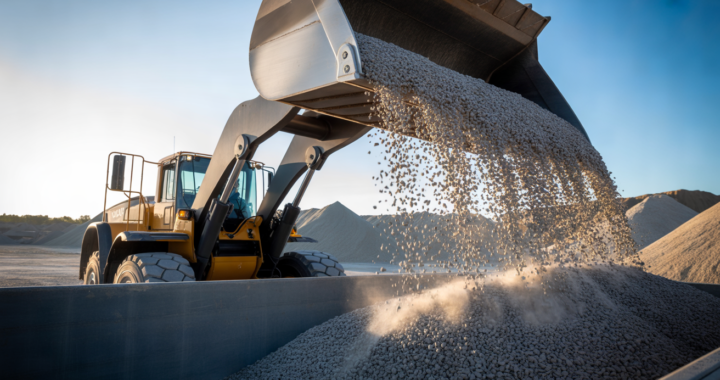
Producing crushed aggregates starts with extracting suitable rock from a quarry or obtaining appropriate material from another source. Large rocks are then fed into crushing equipment, which reduces them to smaller pieces for further processing.
Different crushers perform different tasks within a production plant.
-
Jaw crushers commonly handle primary crushing by reducing large rocks into smaller pieces.
-
Cone crushers are often used for secondary or further crushing of suitable hard materials.
-
Impact crushers break material through impact and can be useful when particular product shapes are required.
-
Vertical shaft impact (VSI) crushers can support aggregate shaping and manufactured sand production in suitable applications.
After crushing, screening equipment separates material into different size ranges. Oversized pieces may return for further processing, while correctly sized aggregates can be stockpiled for delivery or additional treatment.
The complete setup depends on the rock type, feed size, production targets, and required finished product. Choosing compatible equipment helps create a more organised process and supports consistent aggregate production.
The Role of Aggregates in Strong Foundations
A strong foundation begins with proper site preparation and materials that meet the project’s engineering requirements. Crushed stone aggregates are commonly used in foundation support layers, where their grading and compaction characteristics help create a stable base.
The appropriate aggregate depends on soil conditions, structural loads, drainage requirements, and the foundation design. Well-graded crushed stone can help distribute loads and limit uneven settlement when used as specified in a properly designed foundation system.
Construction teams must also consider moisture control and ground preparation. Aggregates alone cannot correct every soil problem, so engineers should assess site conditions and specify suitable materials before work begins.
Supporting Roads, Drainage, and Infrastructure
Crushed aggregates are equally important in road construction and infrastructure projects. They form base and sub-base layers beneath paved surfaces, helping support traffic loads and manage water movement. Their performance depends on material quality, grading, compaction, and the design of the complete pavement structure.
In drainage systems, selected stone aggregates can create pathways for water movement around suitable structures and drainage installations. The required particle size and grading depend on the drainage design and surrounding soil conditions.
For concrete production, aggregates must meet the relevant requirements for strength, durability, cleanliness, and grading. Choosing suitable material helps construction teams produce mixes that meet project specifications.
These applications demonstrate why dependable aggregate production is important across residential, commercial, and infrastructure construction.
Improving Aggregate Production with Suitable Equipment
Producing construction-grade aggregates requires a crushing plant that matches the characteristics of the raw material and the demands of the market. Equipment selection should account for feed size, material hardness, required output, and the range of aggregate products needed.
M G Quarry Crushers focuses on crushing equipment for quarry and material processing applications. Its industry history dates back to 1986, providing a company background relevant to businesses evaluating crushing equipment for their operations.
An effective production setup may combine crushers with feeders, screening equipment, and conveyors. These components work together to regulate material flow, separate product sizes, and move aggregates through the plant.
Operators should also consider equipment maintenance, wear-part requirements, energy use, and access for servicing. Routine inspections and planned maintenance can help reduce avoidable interruptions and support consistent production.
By matching equipment to the material and production targets, quarry businesses can improve process organisation and supply aggregates suited to different construction requirements.

Making Better Use of Construction Materials
Material recovery is another important consideration in modern construction. Where suitable, concrete and other mineral-based construction materials can be processed into recycled aggregates for approved applications.
Crushing and screening equipment can help reduce recovered materials to usable sizes. However, recycled aggregates must be assessed for contamination, composition, and compliance with the relevant project specifications before reuse. Responsible material recovery can reduce disposal needs and make better use of available resources.
Planning for recycling also requires suitable equipment, appropriate material separation, and clear quality-control procedures. These measures help businesses determine which recovered materials can be used safely and effectively.
Conclusion: Building Better with M G Quarry Crushers
Crushed aggregates provide essential support for modern construction, from foundation preparation and road building to drainage and concrete production. Their performance depends on choosing suitable materials, meeting project specifications, and maintaining consistent processing standards.
M G Quarry Crushers operates in the crushing equipment sector, serving a field where reliable material processing plays an important role. By assessing raw materials, understanding production targets, and selecting appropriate crushing equipment, quarry operators can better prepare aggregates for construction applications.
Whether supplying infrastructure projects or supporting general building work, a well-planned crushing operation helps turn raw stone into useful construction materials.